

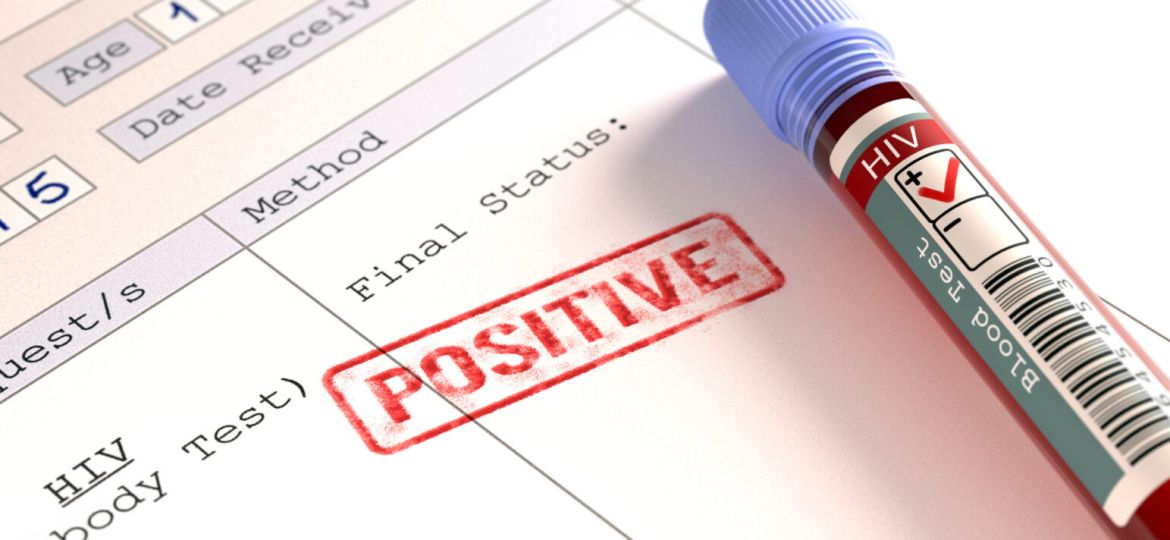
With the rising cases of HIV in the Philippines, urgent solutions are needed through healthcare access and education/awareness. Republic Act 11166 or The Philippine HIV and AIDS Policy Act of 2018, is a comprehensive legislation for HIV and AIDS response in the country. This act is also in replacement of its previous law, RA 8504.
Legal Basis
This legislation is in accordance with the 1987 constitution. Under Article II, Section 15, it mandates the state to protect and promote the right to health of all citizens. Similarly, Article XIII Section 11 of the constitution mandates for a comprehensive approach to health development by having affordable services to all, and giving priority to the underprivileged, sick, and elderly1.
Key Provisions
RA 11166 is a more extensive legislation from RA 8504 wherein the former focuses on emphasizing HIV/AIDS prevention and education, treatment and care, and anti-discrimination provisions. It strengthened on confidentiality and privacy protections wherein legal consequences shall be imposed to those who breached one’s privacy and engaged in discriminatory practices. This is to ensure that one feels safe and welcome outside of their homes, especially in their workplace.
2In the case of Bison Management Corporation vs. AAA and Dale P. Pernito, AAA and Pernito were OFWs who have been illegally dismissed and discriminated against due to their positive HIV result. The Supreme Court affirmed the decision of the National Labor Relations Commission that both AAA and Pernito were illegally dismissed and must be awarded back wages, especially that the corporation has failed to prove the voluntary resignation of Pernito. The court also reiterated the provisions of the act that it is forbidden to terminate employees based on their HIV status, and that it also governs overseas contracts.
Furthermore, another key difference of RA 11166 is its provisions on treatment and care; wherein Antiretroviral Therapy and other medical services for people with HIV are to be given. These must be available in both public and private facilities. Additionally, when availing of these services, it is a must that providers adhere to strict confidentiality. Lastly, the new legislation gives premium to HIV/AIDS education and information dissemination, especially to the vulnerable groups. This includes teaching preventive measures, safe practices, and even access to condoms. Educational institutions are required to incorporate age-appropriate lessons on the matter.
Education and Prevention Strategies
Other than including HIV/AIDS instructions in school curriculums, its mandatory education also covers other training institutions that includes teachers and counselors. They all play a role in the promotion of safe practices and awareness of the rights of people living with HIV (PLHIV), inside and outside their organization.
Testing Confidentiality and Consent
The act promotes one’s privacy and confidentiality, and is upheld especially in testing. For minors from ages 15-17, they may undergo HIV testing even without parental consent. Furthermore, teenagers or children below 15 years old may also be tested with assistance from any licensed health worker if at high risk. Those who force anyone to undergo testing without their consent or use this as a pre-employment requirement is illegal. This act may constitute legal consequences of imprisonment and or a fine of at least Php 50,000.
Legal consequences for those that breach confidentiality would depend on who illegally disclosed the information. Health professionals and employers who do so are usually the ones who face heavier consequences. If the breach results in mass dissemination such as social media, regardless of who did it, may be fined up to Php 300,000.
Treatment, Care, and Support Service
Other than better provisions on treatment and care, RA 11166 also mandates to provide support services for PLHIV. These are psychosocial and economic support, wherein counseling, economic empowerment, and even support for the families of PLHIV are provided. This support extends to PLHIV who are imprisoned or in a similar situation. Despite being in incarceration, they are entitled to be provided with such services and treatment as well, with confidentiality still intact.
Significance
Seeing that its key provisions revolve around HIV prevention and education, treatment and care, and anti-discrimination, the act brings about various positive impacts and significance to individuals, especially those diagnosed with HIV/AIDS. Through its enactment, improvements in HIV prevention, treatment, and provided support are expected to be given by the government; done through affordable and more accessible testing, providing various support for PLHIV. All of these shatters the stigma on HIV/AIDS as the stakeholders adhere to their role and help break down the barriers.
- Constitution of the Republic of the Philippines. (1987) ↩︎
- Bison Management Corporation v. AAA and Dale P. Pernito, G.R. No. 256540 (Supreme Court of the Philippines, February 14, 2024) ↩︎