

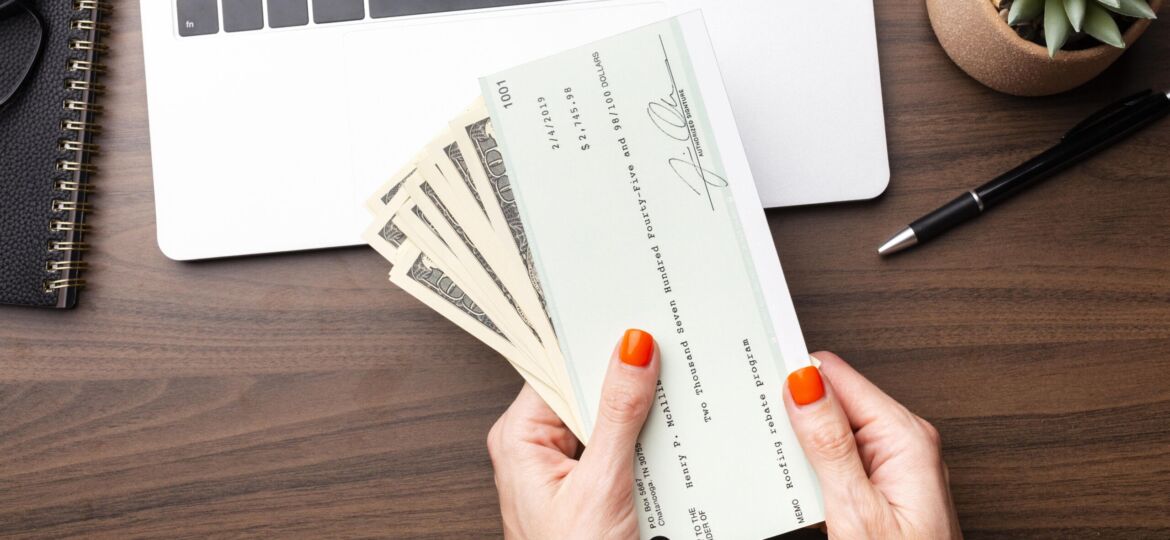
Have you ever received a check that bounced? Or maybe you issued one that didn’t go through?
In the Philippines, issuing a check without enough money in your bank account is a crime, not just a financial mistake. This is what Batas Pambansa Blg. 221, or the Bouncing Checks Law, is all about.
What is BP 22?
BP 22 punishes people who issue checks without enough funds in their bank account to cover the amount written. The law exists to protect people from being fooled by ineffectual checks.2
When Are You Liable?
You may be charged under BP 22 if:
- You issue a check for payment (whether as a loan, purchase, or debt);
- You know you don’t have enough money (or credit) in the bank;
- The check bounces (dishonored due to insufficient funds or a stop payment without valid reason).
Even if you had money when you issued the check, you’re still liable if you don’t keep funds in the account within 90 days of the check’s date.3
Who is liable?
The individual who issues and signs a check is personally liable. In the case of a business check, it is still the signatory, not the company, who is held responsible.4
What Are the Penalties?
If found guilty, the court may order:
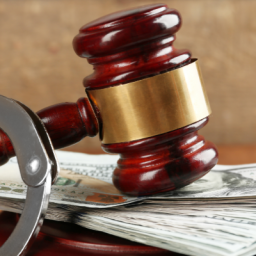
- Jail time of 30 days to 1 year,
- A fine up to double the amount of the check (maximum of ₱200,000),
- Or both, depending on the judge.
What If You’re Notified?
Once you receive a notice from the bank or the person you gave the check to, you have 5 banking days to pay or make arrangements.5 If you don’t, the law will assume you knew there wasn’t enough money when you issued it. That’s strong evidence against you.
What Does the Bank Do?
If your check bounces, the bank must give a written explanation, usually stamped on the check, saying why it was not paid (like “insufficient funds”). This becomes important proof in court.
Can You Also Be Charged with Estafa?
Yes. Even if you’re charged under BP 22, you can still be sued for Estafa (swindling) under the Revised Penal Code6, especially if the check was used to deceive someone.
In People v. Cresencia C. Reyes (1993)7, The Supreme Court found Reyes guilty of both the Bouncing Checks Law (BP 22) and Estafa after she issued three postdated checks that bounced and failed to pay despite repeated demands. The Court said BP 22 applies whether a check is for payment or just a guarantee—if it bounces and you don’t make it good, you can face criminal charges for both offenses.
A check is not just a promise, it’s a legal obligation. Issuing a bad check can get you fined, jailed, or both. Always make sure you have enough funds in your account before issuing one.
- Batas Pambansa Blg. 22, An Act Penalizing the Making or Drawing and Issuance of a Check Without Sufficient Funds or Credit and for Other Purposes (1979). ↩︎
- Id., Sec. 1 ↩︎
- Id., Sec. 1, par. 2. ↩︎
- Id., Sec. 1, par. 3. ↩︎
- Id., Sec. 2. ↩︎
- Revised Penal Code of the Philippines, Art. 315(2)(d). ↩︎
- People v. Reyes, G.R. Nos. 101127-31, November 18, 1993, 228 SCRA 13, available at The LawPhil Project, https://lawphil.net/judjuris/juri1993/nov1993/gr_101127_31_1993.html. ↩︎