


Did you know? Not all crimes are created equal. The law recognizes that some offenses are committed under circumstances that make them more dangerous, more cruel, or more alarming to society. These are called aggravating circumstances, factors that don’t change the nature of the crime but make the punishment heavier because they show greater evil intent.
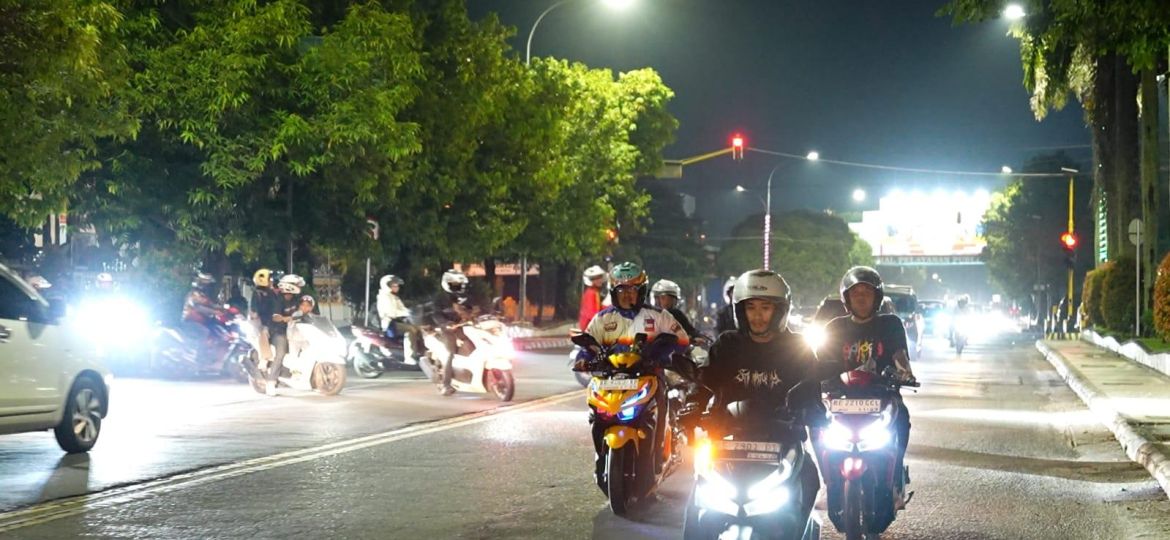
One example is when a crime is committed at nighttime, or nocturnity. Why? Because darkness often becomes a weapon. At night, people are usually asleep, neighborhoods are quieter, and it’s harder to see what’s happening. Offenders who take advantage of the cover of darkness to commit their crimes are punished more severely, since they’re not just committing a crime, they’re doing it in a way that makes it harder for victims to defend themselves and easier for criminals to escape.
Article 14, paragraph 6 of the RPC states:
“That the crime be committed in the nighttime, or in an uninhabited place, or by a band, whenever such circumstances may facilitate the commission of the offense.”
Thus, nighttime may aggravate liability if it facilitated the commission of the crime or if the offender intentionally sought it.
The law recognizes nighttime as aggravating because:
- Darkness provides cover – it makes detection, pursuit, and identification difficult.
- Victims are vulnerable – at night, people are generally asleep or resting, which weakens their ability to defend themselves.
- Increased risk to public order – crimes committed at night often instill greater fear and insecurity in the community.
Requisites of Nighttime as an Aggravating Circumstance
For nighttime to aggravate criminal liability, three requisites must concur:
- That the crime was committed at nighttime. It must be established that the act occurred during the night, generally understood as the period from sunset to sunrise. However, this is not enough on its own.
- That nighttime was purposely sought by the offender, or the offender took advantage of it. The accused must have deliberately chosen nighttime to facilitate the crime. Examples include:
- Planning the crime specifically at night to ensure victims are asleep.
- Waiting until nightfall before executing the crime.
- That the nighttime facilitated the commission of the offense. The darkness must have materially aided the offender in committing the act, such as:
- Avoiding recognition or identification.
- Making it easier to escape.
- Rendering the victim more helpless.
If these conditions are not proven, the circumstance does not aggravate liability.
In People vs. Sualog, the Supreme Court said that just because a crime happened at night doesn’t mean the punishment will automatically be heavier. The killings happened at night, but the Court did not treat nighttime as an “extra bad factor.” Why? Because the prosecutors couldn’t show that the criminal chose night on purpose to make the crime easier—like hiding in the dark, escaping faster, or attacking while the victims were asleep. In conclusion, It’s not enough that a crime happened at night. What matters is whether the criminal used the darkness as part of the plan1.
Night time or nocturnity is a recognized aggravating circumstance in Philippine criminal law. However, it is not the mere occurrence of a crime at night that increases liability, but the offender’s intentional use of darkness to gain an advantage, weaken the victim’s defenses, or avoid detection. The prosecution has the burden of proving these requisites before the court may appreciate nocturnity as an aggravating circumstance. By punishing more those who abuse the vulnerability of victims at night, the law seeks to preserve not only individual safety but also public peace and security during the hours of rest.
- People of the Philippines, vs. John Francis Sualog, G.R. No. 250852. October 10, 2022 ↩︎